
Shropshire Council looks to future with renewed confidence
Green shoots of progress for council as financial responsibility, stronger contract control, openness and transparency and community empowerment remain at top of agenda.
A year on from Councillor Heather Kidd and her administration taking charge of Shropshire Council, council leaders say the authority is beginning to show early signs of progress after a difficult period financially and organisationally.
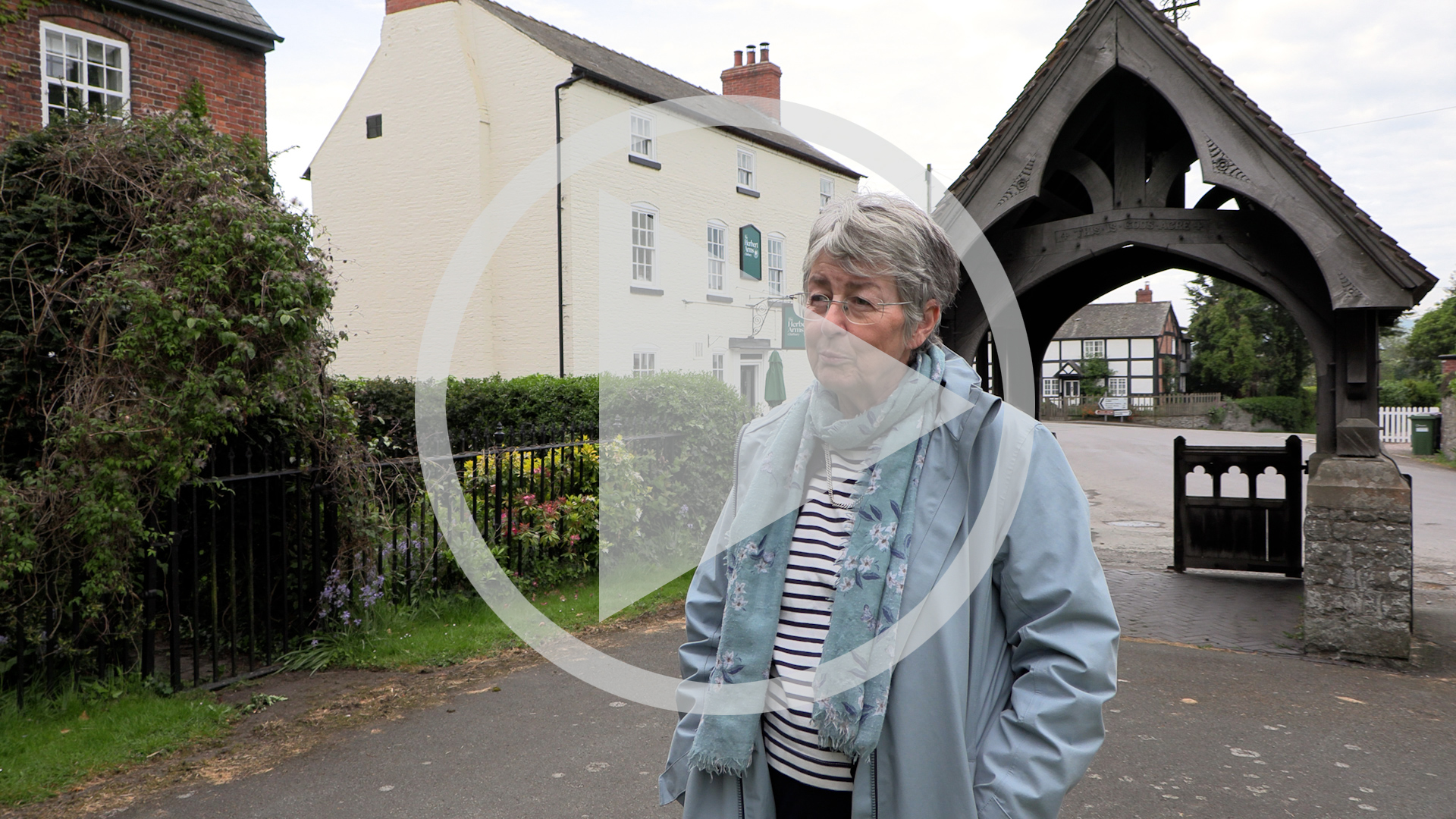
Watch: click on the image to see and hear Councillor Heather Kidd talking about the administration’s first year in office.
The council’s newly agreed Corporate Plan sets out a long-term programme focused on rebuilding Shropshire Council’s finances, organisational capacity and ability to deliver good local services for residents, businesses and communities over the years ahead.
Building the foundations for change
The Liberal Democrat administration says that the past year has focused on restoring stability, strengthening oversight and beginning the long-term work needed to rebuild the organisation after years of growing pressure on local government finances nationally.
Like councils across the country, Shropshire continues to face immense financial pressures, particularly in adult and children’s social care, which account for around 75% of the council’s budget. Restoring sustainability and ensuring the council lives within its means has therefore been a central priority.
Key actions over the last year have included declaring a financial emergency in September 2025, introducing a council-wide Improvement Plan, securing Exceptional Financial Support from government and strengthening financial management across departments.
The administration says stronger controls are now beginning to show results. Budget monitoring returns submitted on time have improved from around 40% to more than 95%, alongside a renewed focus on contract management, procurement, value for money and tighter control of spending.
Investing in long-term solutions and opening up the council
Cabinet says the aim is to tackle problems at source rather than relying on short-term fixes, with reviews continuing across contracts and services to improve oversight, reduce waste and ensure public money is spent more effectively.
The council says the same principle is increasingly shaping its approach to social care, with greater emphasis on prevention and earlier intervention rather than simply responding to crisis. The administration says supporting vulnerable residents earlier can improve outcomes while helping reduce the much greater costs that arise when problems escalate.
The council has also worked to improve openness and accountability, including introducing the authority’s first politically proportional scrutiny arrangements to strengthen cross-party working and ensure decisions are robustly challenged. Committees now have a stronger focus on financial improvement, housing and managing development.
In-person customer services have been expanded and taken out to more rural parts of the county, with Shropshire Local now operating in five additional locations, making 10 in total.
Alongside financial reform, there has been a major focus on frontline services. Since May 2025, more than 30,000 potholes have been repaired across Shropshire’s 3,200-mile road network, with additional repair teams and increased night-time working helping improve productivity despite severe budget pressures.
Meanwhile, the first phase of street scene devolution launched in Shrewsbury, Broseley and Shifnal in April 2026, giving town councils greater responsibility for services such as street cleaning, grounds maintenance and public spaces. In areas where the pilots are operating, residents are beginning to notice cleaner streets and more responsive local services.
Councillor Heather Kidd, Leader of Shropshire Council, said:
“When we took office, the scale of the challenge facing Shropshire Council was very clear.
“Over the last year we have focused on restoring stability, improving financial discipline and rebuilding stronger foundations for the future. There are now encouraging signs of progress, whether through stronger financial monitoring, improved accountability, more pothole repairs or cleaner streets in areas involved in devolution pilots.
“We are also trying to tackle issues earlier and more effectively, whether through stronger contract management and value for money or investing more in prevention and early support for residents.
“But we are also clear there is still a huge amount more to do. This year has been about beginning the long-term process of rebuilding Shropshire Council into a sustainable organisation that can properly deliver for residents over the years ahead.”