New strategy will improve how Shropshire’s roads are inspected and maintained
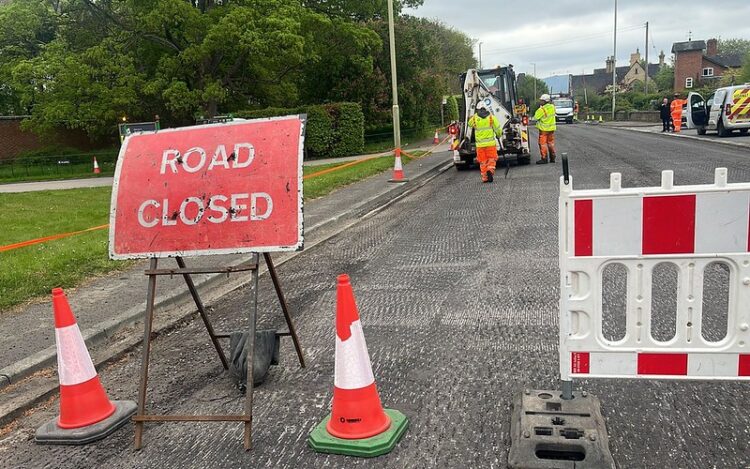
Resurfacing work at Atcham in spring 2026
Shropshire Council has today (18 November 2026) approved a new strategy that will improve the way Shropshire’s roads are managed, inspected and maintained.
The updated Highway Infrastructure Asset Management Policy and Strategy and a revised Highway Safety Inspection Manual, were approved by the council’s Cabinet at their meeting today, replacing documents that date from 2019.
The strategy recognises just how important road condition and improving the county’s roads is to residents.
David Vasmer, Shropshire Council’s Cabinet member for highways, said:
“We know the condition of our roads is one of the issues that matters most to people in Shropshire, so it’s important that we have a clear, modern and evidence-based approach to looking after them.
“These changes are part of the administration making roads and highways a priority. They will help us focus the resources we have where they can make the biggest difference, while making sure inspections take account of the risks people face, whether they are driving, walking or cycling.
“This isn’t simply about responding to issues when they appear. It’s about taking a longer-term approach to our roads, footways, bridges, cycle paths, drainage and other assets. We want to prioritise work on our highway network to give everyone a better experience and promote active travel.”
The revised inspection manual introduces stronger consideration of risks affecting cyclists and motorcyclists and clearer guidance covering issues including flooding, kerbs, EV cables, ash tree dieback and the impact of agricultural and heavy goods vehicles.
And a new dedicated addendum sets out how off-street car parks will be inspected, with annual inspections carried out on foot and specific response times for safety defects.
The long-term strategy covers six main areas: roads; footways and cycleways, bridges and other structures; street lighting; traffic signals, and drainage, with individual strategies explaining the challenges and approach for maintaining and improving each of these.
The updated approach is designed to make sure the council continues to follow current best practice, responds to changing risks on the highway network and makes the best use of the money available for maintaining Shropshire’s roads. It also supports the council in meeting Department for Transport requirements associated with highways funding.
Further information
Changes to the inspection manual include:
- greater consideration of risks to cyclists and motorcyclists.
- clearer arrangements for dealing with flooding and inspecting kerbs.
- consideration of risks associated with agricultural and heavy goods vehicles on some roads.
- new guidance covering EV cables and ash tree dieback.
- clearer roles and competency requirements for highways inspectors.
- provision for the potential future use of AI technology.
- a more consistent approach to scheduled inspections of local access roads.