
New national planning decision rules to take effect in Shropshire
Shropshire residents, councillors, and town and parish councils are being advised of new mandatory Government rules for deciding planning applications across England.
On 31 October 2026, Shropshire Council will implement the Government’s National Scheme of Delegation. The new rules will introduce a common framework for deciding whether planning applications are determined by planning officers or referred to a planning committee.
The changes are being introduced nationally and councils are required to apply them.
While the new rules will change the statutory route by which planning applications are considered, residents, councillors and town and parish councils will continue to be able to comment on planning applications and raise material planning considerations in the usual way.
The changes apply to councils across England, and will apply to any planning application that remains undetermined on or after 31 October, including applications submitted or called in before that date.
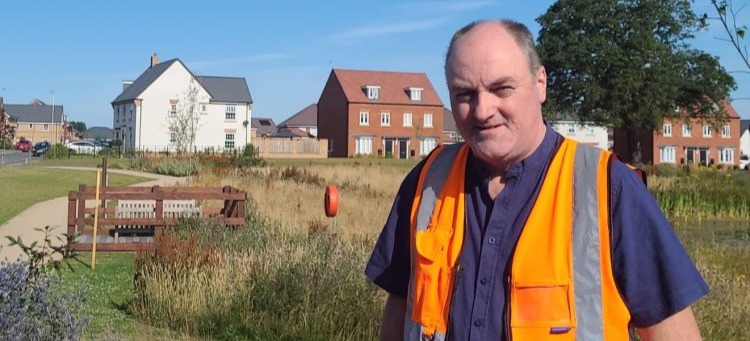
Councillor David Walker
David Walker, Shropshire Council’s Cabinet member for planning, said:
“These are national changes being introduced by Government and every planning authority in England will be required to implement them.
“The most significant change is that a local objection or call-in request will no longer create an automatic route to a planning committee. Applications will instead need to satisfy the nationally prescribed gateway test.
“However, it is important to stress that people will still be able to have their say. Comments that raise relevant planning matters such as highways, flooding, heritage, ecology, landscape, residential amenity or planning policy will continue to be carefully considered as part of the decision-making process.
“Shropshire Council is already recognised as a high-performing planning authority and has an established process for reviewing which applications should be considered by committee. As a result, whilst we must comply with the new national requirements, the practical impact in Shropshire is expected to be less significant than in many other areas which differ more substantially from the new national framework.”
Shropshire Council currently operates an agenda-setting process that reviews which applications should be reported to its planning committees. This will be developed into the formal local gateway triage process.
The council therefore expects the overall number of applications ultimately considered by its planning committees to remain relatively consistent, although fewer applications are expected to reach the agenda-setting stage because automatic referral routes will be removed.
Further information
Under the new rules, officer delegation will become the statutory starting point for planning applications and related planning matters.
For an eligible application to be referred to a planning committee from 31 October, it must:
- raise an economic, social or environmental issue of significance to the local area; or
- raise a significant planning matter when considered against the development plan and other material planning considerations.
Residents, councillors and town and parish councils will continue to be able to support, object to or comment on planning applications. Their representations will continue to be assessed when they raise material planning considerations, such as highway safety, flooding, heritage, ecology, landscape, residential amenity, design or conflict with planning policy.
However, the number of objections, local controversy or a request from a ward councillor, town council or parish council will no longer automatically determine whether an application is referred to a planning committee.