
Celebrating Occupational Therapy Week – spotlight on OT
Occupational Therapy (OT) week marks the launch of The Royal College of Occupational Therapists’ campaign – Right Support, Right Time: Unlocking the Power of OT – and shines a spotlight on the vital role of occupational therapy across health, social care and education.
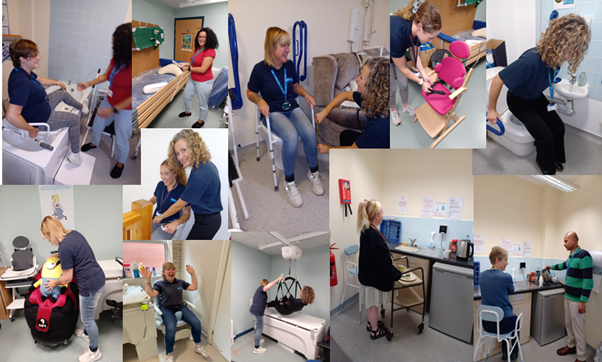
The OT team
It calls for earlier access to occupational therapists and a shift towards prevention-focused care that better meets people’s needs and reduces pressure on services.
Occupational therapy helps people stay well for longer and avoid crises – especially when occupational therapists are involved early. Their unique skills have the greatest impact when used early and in the right way.
Occupational therapists help avoid unnecessary hospital admissions, support recovery and reduce long-term care needs. They ease pressure on services and help prevent needs from escalating and help reduce health inequalities and improve sustainability.
They also want to shift from crisis-driven care to prevention-focused approaches. Occupational therapists must be embedded in the places where people live, work and seek support. Occupational therapy must be central to the future of health, education and care.
In England the UK Government’s 10 Year Health plan sets out an ambition to embed prevention at every level of the system. It’s about reducing avoidable illness, supporting people to stay well and shifting care into communities. Occupational therapy does exactly that – helping people earlier and easing pressure on services.
It is important that individuals are connected with the right support at the right time and Shropshire Councils Occupational Therapy team are committed to doing this. While occupational therapy provides tailored support, there are several empowering strategies that individuals with disabilities can use to help themselves in areas traditionally supported by OTs. Here are five key self-help approaches to prevent crises and reduce the need for long term care:
1. People can modify their surroundings to better suit their needs, such as rearranging furniture for easier mobility and removing loose rugs to reduce the risk of trips and falls. More information here
2. Purchasing small items of assistive equipment and daily living aids can support independence and safety at home. See The Home Equipment Finder for suggestions and guidance
3. Creating structured routines can reduce stress and increase independence. Use planners, timers, or visual schedules and break tasks into manageable steps. Top tip: Start with one daily routine (e.g preparing breakfast) and gradually build from there.
4. Learning and practicing life skills can boost confidence. This can include things like cooking, cleaning, budgeting and shopping. It also increases activity and movement, which in turn supports health.
5. Participating in groups activities, support groups and social activities are crucial for better health and wellbeing. Social Prescribing is a great way to connect with what is available in your local community. To find out more, click here
Cllr Ruth Houghton, portfolio holder for social care said:
“It’s really important that both adults and children are supported to live safely and well in their own homes and our professional Occupational Therapists make a huge contribution to this through undertaking assessments and providing advice and guidance on the type of aids, equipment or adaptions that are needed. There is a lot of information on our web site and I would urge anyone struggling at home to have a look at our web pages to see what aids and equipment may be available.”
To find out more about how Shropshire Council’s Occupational Therapy Team can help adults and children with disabilities, visit our webpage.
Occupational Therapy Week